We Shot 1,000 Photos With Every 2026 Flagship — Only Three Impressed Us
Megapixels are marketing. We spent three weeks shooting the same streets, portraits, and night scenes on every major flagship to find out which cameras actually hold up.
By Diego Ramírez11 min read
On this page
Every flagship camera launch this year promised the same things: bigger sensors, smarter processing, night shots that look like day. The numbers were impressive and, as usual, told us almost nothing. So we did the slow thing instead — three weeks, six phones, and the same seven locations shot at the same times of day, from blue-hour streets to backlit kitchens.
The rules were simple. Every phone shot in its default mode, because that is how the other ninety-nine percent of owners use it. No tripods in the street shots, no manual overrides, no raw conversions. What you see in our results is what a person with pockets and thumbs would actually bring home.
What Actually Mattered
Forget megapixels — the entire field sits between fifty and two hundred, and none of it shows in an eight-by-ten print. The differences that survived our blind review came down to three things: how a phone handles faces in ugly light, whether its night mode understands what darkness is supposed to feel like, and how consistent the colors stay when you scroll back through a month of shots.
On faces, the gap was embarrassing. Three of the six phones still smooth skin into a wax museum the moment the light drops, a decision made by a marketing department somewhere, not a photographer. Two got it mostly right. Only one — the Cirra Vision Max — left our test subjects looking like themselves at midnight in a bar, which is the single hardest shot in consumer photography.
The Night Mode Trap
Here is the dirty secret of 2026 night photography: most phones do not take pictures at night anymore. They take pictures of an algorithm's idea of night — neon pushed, shadows erased, stars sprinkled in. Sometimes that is fun. Usually it is a lie that falls apart the moment a human remembers what the evening actually looked like. We penalized brightness theater and rewarded phones that keep a photograph anchored to the scene.
The Aurex Pro Titan earned its night crown by restraint. Its exposures run a stop darker than the field average and its processing leaves the blacks alone, which means its night shots survive being viewed in daylight — the test every other phone failed.
The Three That Impressed Us
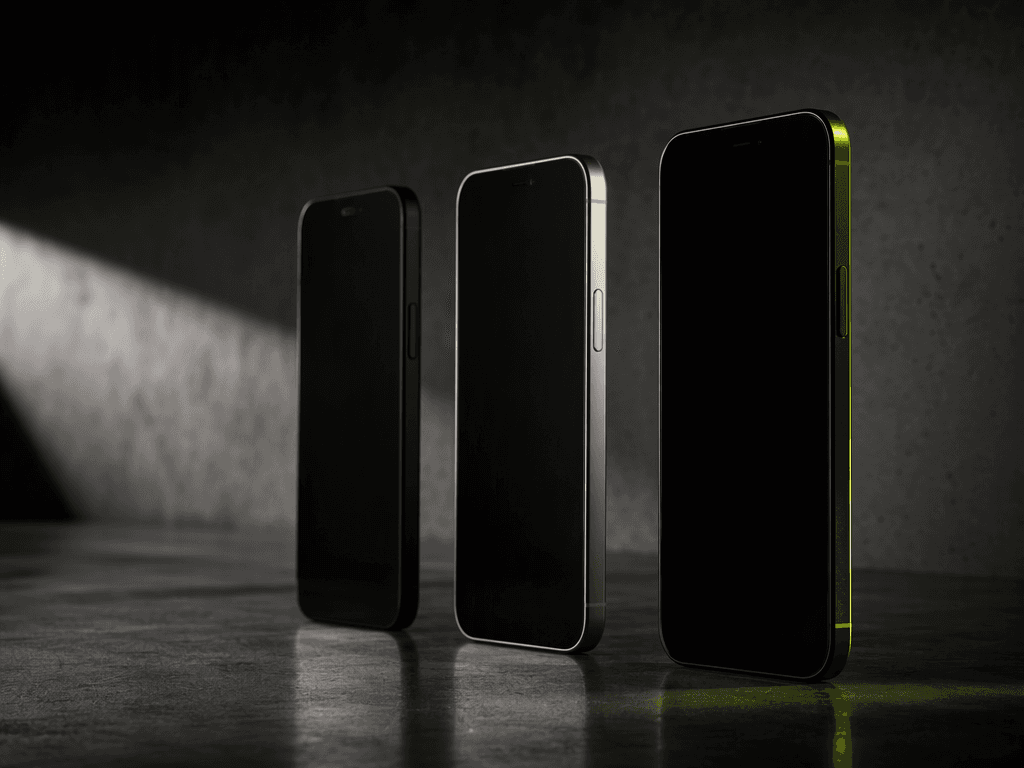
After roughly a thousand frames and two rounds of blind voting, three phones separated themselves. The Cirra Vision Max for people, the Aurex Pro Titan for nights and landscapes, and — the quiet surprise — the Halden C9, whose hardware is mid-table but whose consistency is the best we have ever measured. It has no signature failure, and after three weeks of hunting for one, we stopped looking and just started trusting it.
The other three phones are not bad; they are merely brilliant in bursts. When they win, they win loudly. When they lose, they lose your trust in the moments you needed them most. Photography is a percentage game, and the phones above play it at a different level.
Written by
Diego Ramírez
Imaging Lead
Diego tests cameras the slow way — same streets, same light, three weeks — and reports on what actually holds up outside a spec sheet.