The Quiet Rise of the Anti-Scroll Phone
A growing wave of users are paying to make their phones do less. Inside the minimalist software movement that treats attention as a resource worth protecting.
By Amara Chen7 min read
On this page
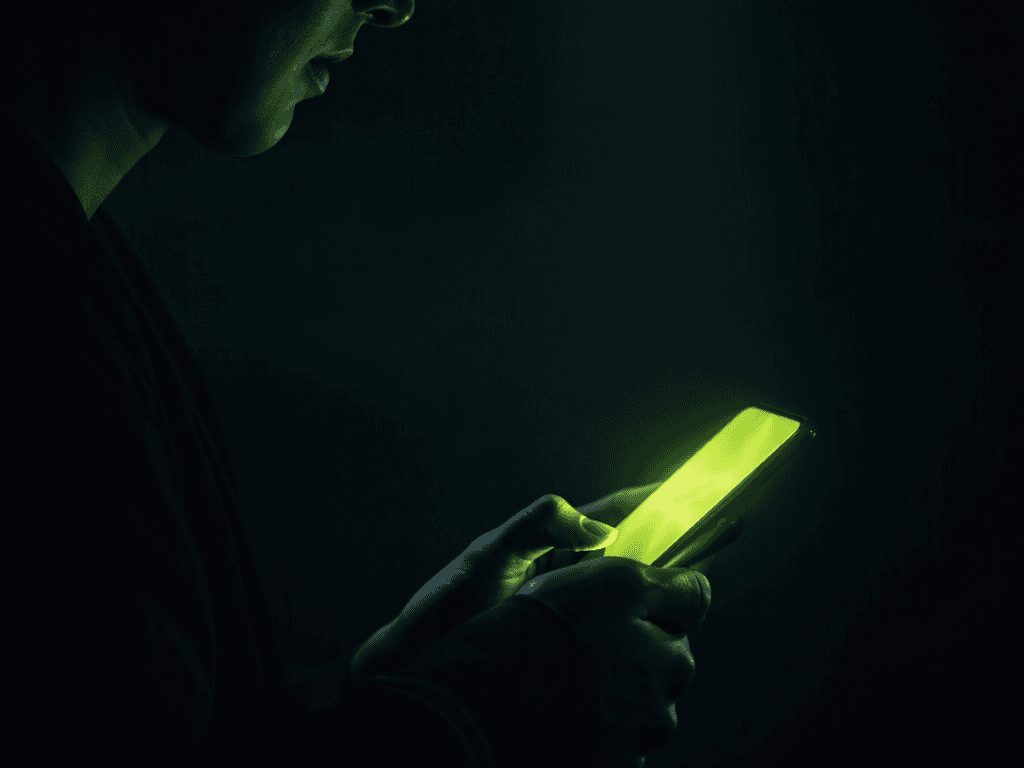
There is a small but growing group of phone owners who pay for less. Fewer apps, grayscale screens, launchers that end sessions after twenty minutes, and even dedicated minimalist devices that call and text and refuse to do anything else. They call it the slow phone movement, and it is less a product category than a quiet rebellion against the most profitable business model ever built: your attention, sold by the minute.
We spent a month talking to converts — students, surgeons, screen-weary parents — and trying their setups ourselves. The surprise was not that the interventions worked. It was how quickly they worked, and how universal the first week felt: a peculiar restlessness, like a room with the furniture moved, followed by a calm that every single person described with the same word. Boredom, at first. Then space.
Why Willpower Lost
The movement exists because the alternative failed. Delete the app, and the browser version remains; set screen time limits, and you learn the passcode you chose yourself. Every friction the user adds, a trillion-dollar industry removes within a release cycle. The converts we interviewed had a pattern: they stopped fighting feature-by-feature and changed the environment instead. Environment beats intention, every single time.
That is the philosophical heart of the movement. A grayscale filter does not make a phone worse — it makes the phone honest about what its most persuasive content has in common: red badges, red notifications, red everything. Strip the color and the slot machine loses its paint.
What Actually Works
Three interventions earned near-universal adoption among people we interviewed. Grayscale after 8pm, because color is the hook. A launcher with no feed and no badges, because infinite scroll is a design choice, not a law of physics. And charging the phone outside the bedroom — the oldest advice in technology, and still the one with the highest success rate.
The hardware extreme — a phone that can only call and text — turned out to be less popular than the headlines suggest, and less stickable than its buyers hoped. Most owners kept a smartphone nearby and used the minimalist device as a weekend tool or a focus filter. The honest version of the movement is not rejection; it is rationing.
A Quiet Concession From the Industry
Here is the tell that this is a real shift: the platforms noticed. Focus modes are now shipped by default, dashboards show you your shame in weekly reports, and the same companies that perfected the pull now sell you the antidote as a feature. Skeptics call it regulatory theater. We call it proof that demand for attention did something rare — it demanded attention back.
Written by
Amara Chen
Senior Editor, Devices
Amara has reviewed phones, laptops, and the accessories that surround them for more than a decade. She leads device coverage at Cobravolt and still believes a tool should look as serious as the work it is for.