Liquid Damage Doesn't Have to Mean a Dead Device
Corrosion is a slow chemical process, and the first 48 hours decide everything. Here's what a repair bench actually does — and what you can safely do at home.
By Tom Okafor10 min read
On this page
The toilet drop, the spilled espresso, the poolside dive — liquid kills more phones than any other accident, and it does not kill them immediately. Water itself is rarely the murderer. The killer is what water starts: corrosion, a slow electrochemical process that keeps eating your device for days after the surface dries. Understanding that clock is the difference between a scare and a replacement.
Every repair tech has the same first question, and it is never how wet the phone got. It is what happened in the first hour. Here is what we do on the bench, translated for your kitchen table — plus the one famous trick you should skip.
The First Forty-Eight Hours Decide Everything
Power the device off immediately — not sleep, off. Every minute a wet board carries current, corrosion gains territory. If the battery is removable, remove it; if it is not, resist the urge to check whether it still works. That check is the single most damaging move an owner can make, because a short that would have missed a dead board will happily destroy a live one.
Then dry the outside, open every port and slot you can, and get air moving over it. A fan at room temperature for twenty-four hours beats every folk remedy ever tested. What dries a device is airflow across the internal surfaces, and nothing hurries that process safely. Heat — hair dryers, ovens, radiators — warps seals and pushes moisture deeper. Rice is a placebo that adds starch dust to your charging port.
What a Repair Bench Does Differently
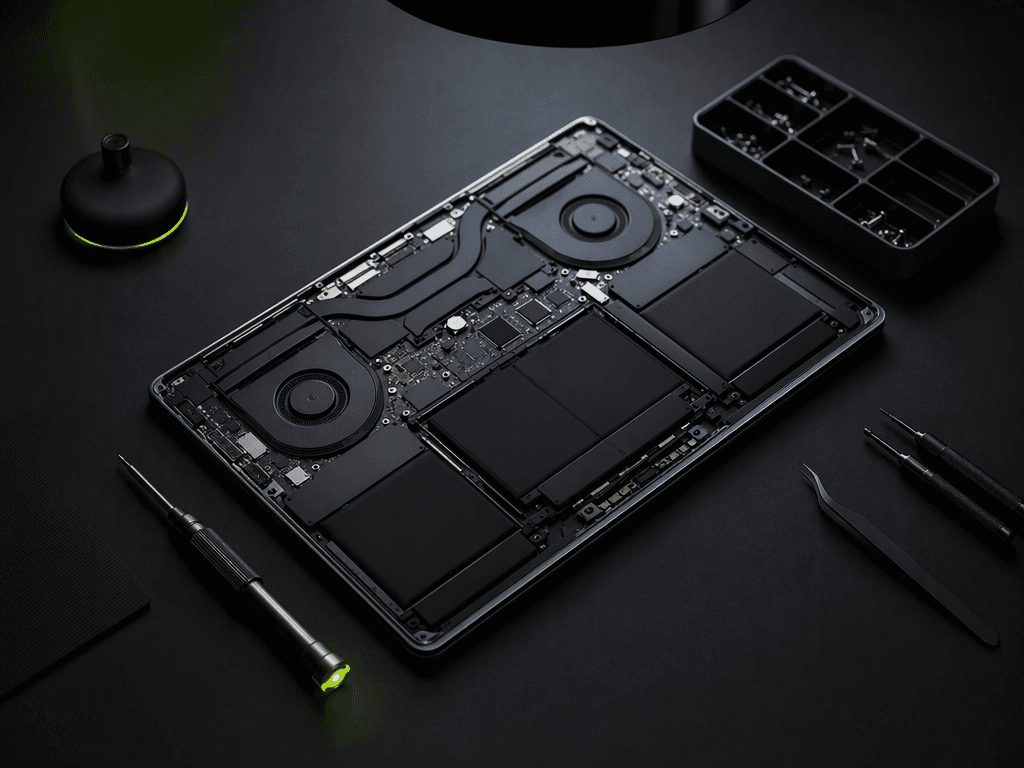
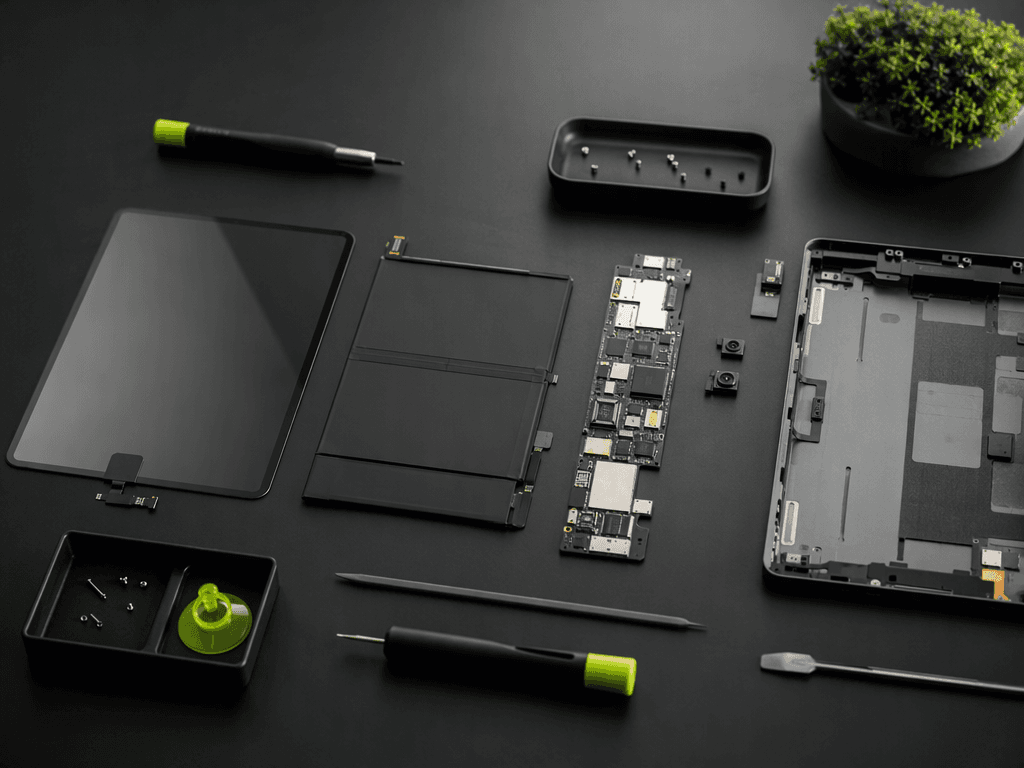
Professional recovery is unglamorous: disassemble, inspect under magnification, clean corrosion with isopropyl alcohol and a soft brush, and replace anything the green fuzz has already claimed. Boards that look dead after a dunk frequently return to life after an hour of careful cleaning. The economics depend on what corroded — a charging port is a cheap part; a motherboard is not. A good shop will tell you which side of that line you are on before charging you for the attempt.
One honest warning about the bag of silica trick: desiccant pouches in a sealed container do help as a second stage, after airflow, for a device you cannot open. They are not magic, and they work in hours-to-days, not minutes. If the liquid was anything but fresh water — coffee, soda, seawater — sugar and salt stay behind when the water leaves, and only a proper cleaning removes them. Those phones go to the bench, sooner rather than later.
The Water-Resistance Fine Print
Your phone's IP rating was measured in a lab, with fresh water, on a new device. Adhesive ages, seals compress, and one drop onto tile can do what a rating never promised to survive. Water resistance is a seatbelt, not a scuba tank — it improves your odds in an accident and says nothing about swimming. Treat every dunk as an emergency and your odds stay excellent. Treat it as a feature, and we will probably meet.
Written by
Tom Okafor
Repair & Privacy Writer
Tom writes about what devices do when you're not looking — and what you can do about it. He is Cobravolt's resident skeptic about anything that phones home.