The Most Stylish Smartphones of 2026: Power Meets Design
Flagship performance is table stakes. This year the real differentiator is design — titanium frames, matte glass, and cameras that disappear into the body. We ranked the eight best-looking phones that never make you pay for the looks.
By Amara Chen7 min read
On this page
Every flagship this year is fast. That sentence used to be a compliment; now it is a baseline. The chips inside a 2026 flagship outrun almost everything we ask of them, and the spec sheets have converged so completely that two phones from rival brands can trade benchmark wins depending on the weather. What still separates them — what you notice every single time you pull one out of a pocket — is how they look, how they feel, and how they wear.
That part never makes it onto a spec sheet. So we spent the last six weeks carrying eight of the year's best-designed phones through airports, restaurants, gyms, and one unfortunate rainstorm, judging each the way you actually experience it: in the hand, on a table, and across a hundred small moments where design either earns its keep or quietly gets in the way.
How We Picked
We ranked these phones on design alone — materials, proportions, weight distribution, color, and the honesty of how each finish ages. Build quality counted, and so did restraint: the discipline to leave something off a phone is design work too. You will find benchmark and camera rankings elsewhere on this site; here, the question is narrower and harder — which of these objects would you still be glad to pick up in three years?
Every phone on this list is a genuine flagship under the glass, so nothing here is a compromise you will feel in daily use. Where we do flag a trade-off — weight, grip, a color that only works in person — it is because we lived with it, not because we read it on a product page. The order is our opinion; the details behind it are not.
What Stylish Actually Means in 2026
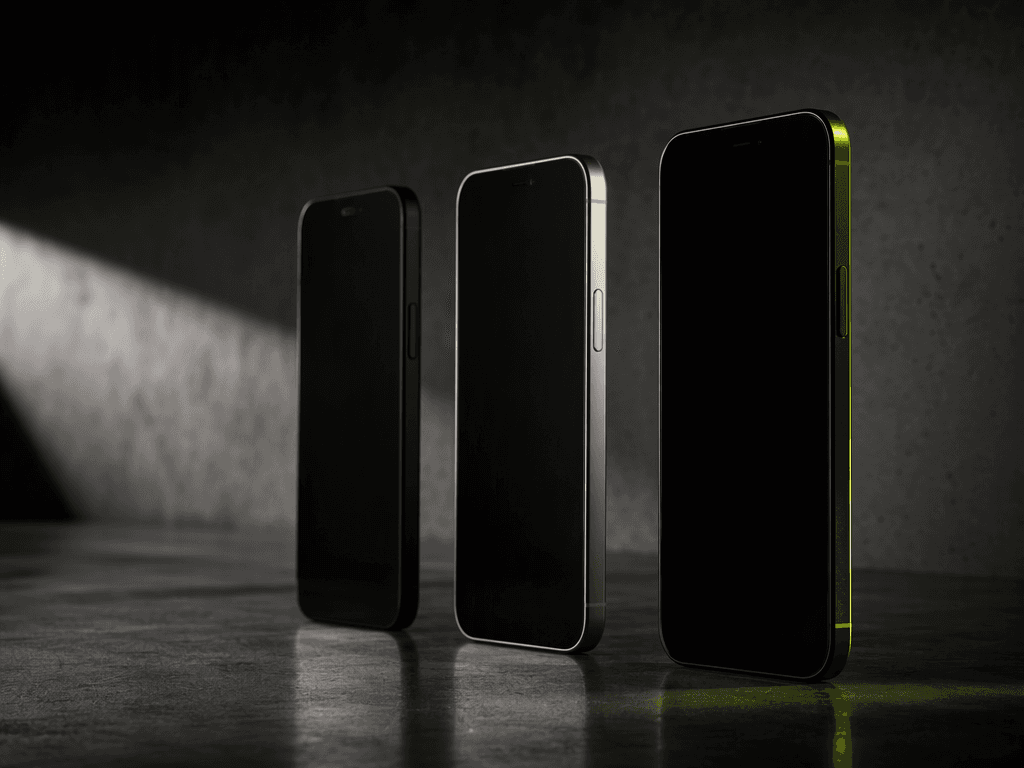
Three years ago, premium meant glass sandwiches in black or white. This year the vocabulary is different. Titanium frames with brushed finishes have replaced polished chrome, matte ceramic backs have quietly solved the fingerprint problem, and the camera bump — long the least elegant part of any modern phone — is being tamed with flush islands and softer transitions. The industry finally seems to agree on what luxury looks like, and it is quieter than it used to be.
The best designs share a trait that is hard to engineer and easy to feel: visual calm. Nothing glints, nothing smudges, nothing fights the eye. A device you will glance at a hundred times a day should reward the thousandth glance as much as the first. That is an expectation no marketing department invented — it came from the way we actually live with these objects.
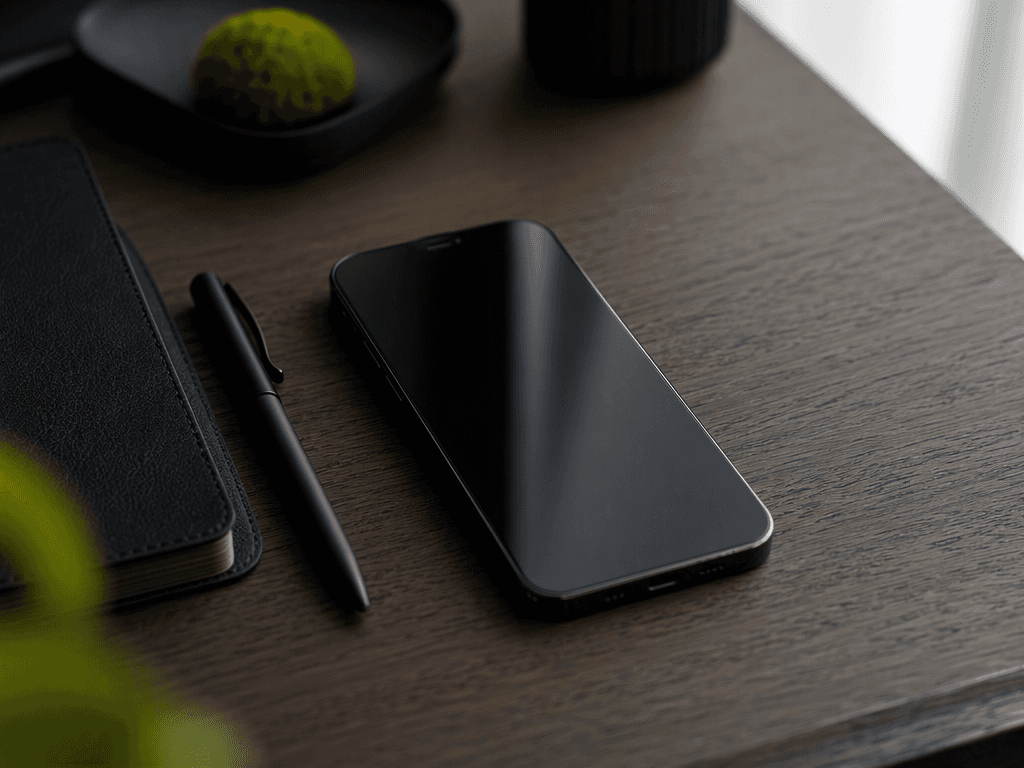
There is a practical edge to this, too. A calm design is a legible one: you can find the buttons without looking, the camera island tells you which way is up, and the finish does not turn into a mirror under office lighting. Restraint, it turns out, is also ergonomics.
The Shortlist
Our top pick, the Aurex Pro Titan, is the clearest expression of the trend. Its frame is brushed titanium with a finish that scatters light instead of catching it, and the matte ceramic back is genuinely grippy — the first glass-smooth surface we have used that does not slide off the arm of a leather sofa. At 188 grams it is dense but balanced, with the weight sitting low, where your fingers actually hold it.
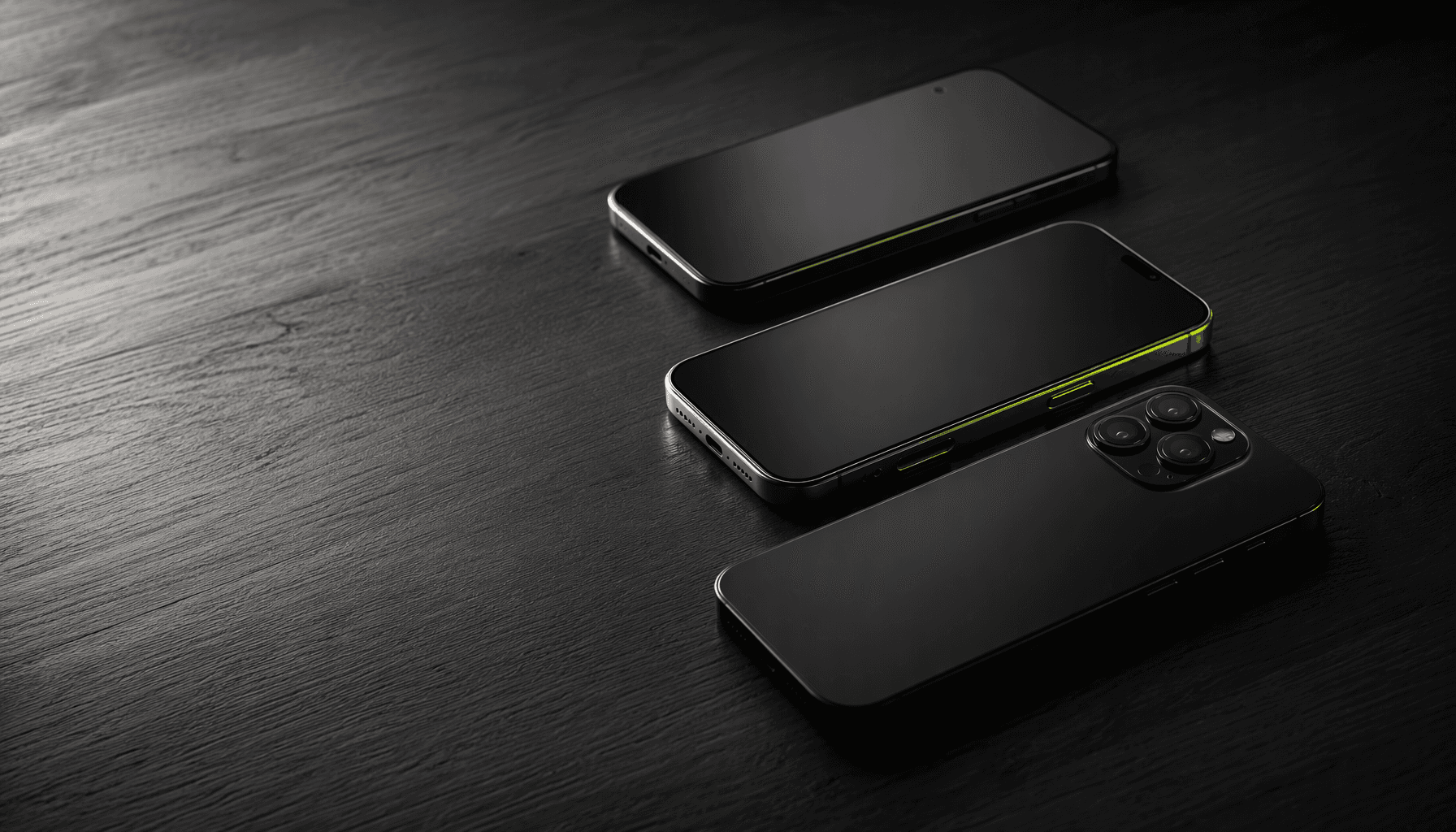
Close behind, the Halden C9 takes a different route: a soft-touch polymer back in stone and moss tones that looks more like architecture than electronics. The Ostro Slate wins the folding category with a hinge line you stop noticing by the second day, and the Cirra Vision Max earns its size with the cleanest camera island of the year — three lenses in a single line, no spinning rings, no fake reflections.
What separates the top four from the rest of the list is consistency in the smallest details: buttons that sit flush and click like they mean it, speaker grilles machined rather than punched, seams measured in fractions of a millimeter. None of that photographs well enough for a product page. You feel all of it, every day, and you notice its absence immediately when it is missing.
The Details That Only Emerge After a Month
New phones are all beautiful in the first week. The real test is week six, when the case comes off, the fingerprints have had their chance, and the honeymoon is over. Two things separate finishes that age well from those that do not: how they handle skin oil, and how they handle sharing a pocket with a set of keys.
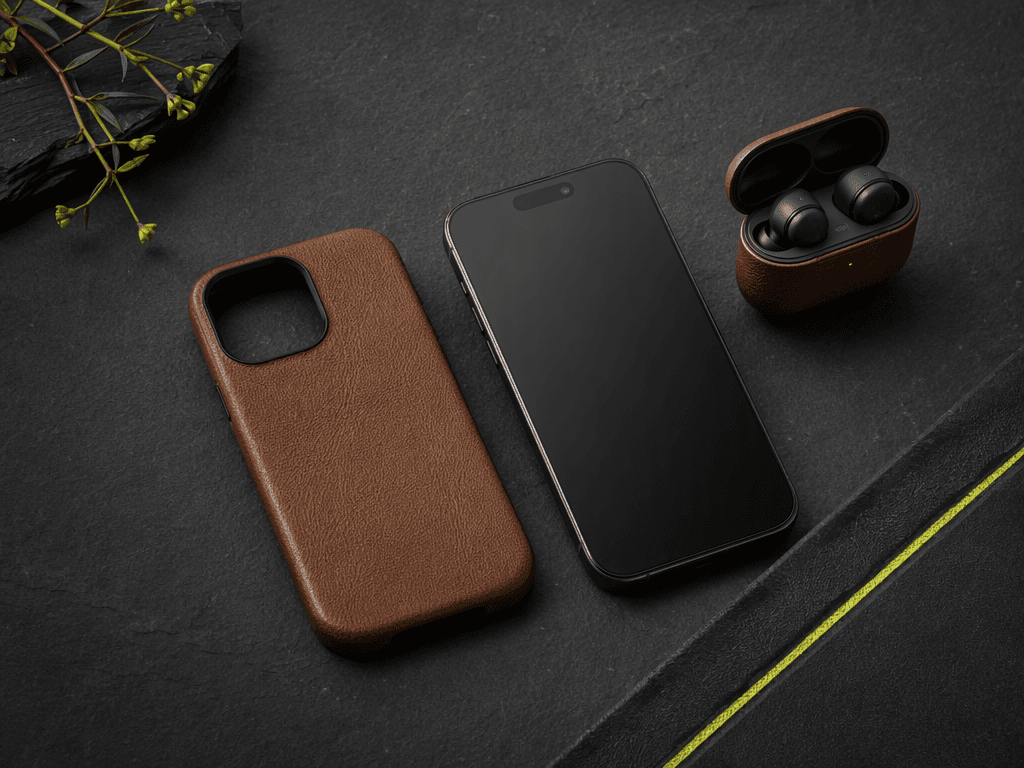
Matte ceramic and anodized titanium came through our six weeks essentially unchanged. Polished frames collected micro-scratches we could only see at an angle — but knew were there. And leather, on the phones where a quality case was part of the package, behaved best of all, deepening in color until the marks became part of the story rather than damage to it.
One warning from the bench: military-grade drop claims are marketing, not physics. What actually protects a phone is lip depth and corner geometry — and the discipline to use a case at all. The phones that survived our accidental drops best were simply the ones wearing the right jacket when it happened.
Power Is Part of the Design
A beautiful phone that dies by dinner is a bad design, full stop. This year's best have converged on a similar formula: cells around 5,000 milliamp-hours, silicon-carbon chemistry that keeps the body thin, and 80 to 100 watts of wired charging that turns a fifteen-minute stop into half a day of use. The differences between implementations are smaller than the spec sheets suggest, but the best ones stay cool under load — which matters more than any peak number.
That thermal discipline is where design and engineering meet. A phone that throttles its charging after ten minutes has effectively lied to you about its wattage, and one that gets hot in the hand has failed at the first job of a handheld object. Every phone in our top four holds its fast-charge rate through a full cycle, and none of them broke 40 degrees doing it.
Charging gear is where good design gets cheaper and more visible. A 65-watt GaN brick the size of a matchbox has quietly replaced the tangled brick-and-cable arrangement in our travel bags, and magnetic pads have turned overnight charging into something you do without looking. If you buy one accessory alongside the phone, make it this one: it is the difference between charging as a chore and charging as something you never think about.
The Verdict
The Aurex Pro Titan takes our top spot because it is the only phone this year that feels designed rather than styled. The Halden C9 is the one we would buy with our own money if comfort mattered most, and the Ostro Slate is the fold we would hand to a skeptic. Any of the eight finalists will still be fast in 2029. The ones ranked highest are the ones we would still be glad to pick up.
Stylishness, in the end, is durability of a different kind: a design that survives your attention. Every phone here passes the first-glance test. The ranking above is about which ones pass the ten-thousandth.
Written by
Amara Chen
Senior Editor, Devices
Amara has reviewed phones, laptops, and the accessories that surround them for more than a decade. She leads device coverage at Cobravolt and still believes a tool should look as serious as the work it is for.