Your Apps Know You're Burned Out. They're Adjusting.
Fragmented sessions, shallow clicks, 2 a.m. scrolling — burnout is one of the most legible states in behavioral data. What recommendation engines do with that signal, and why they can't tell care from capture.
By Sofia Lindqvist9 min read
On this page
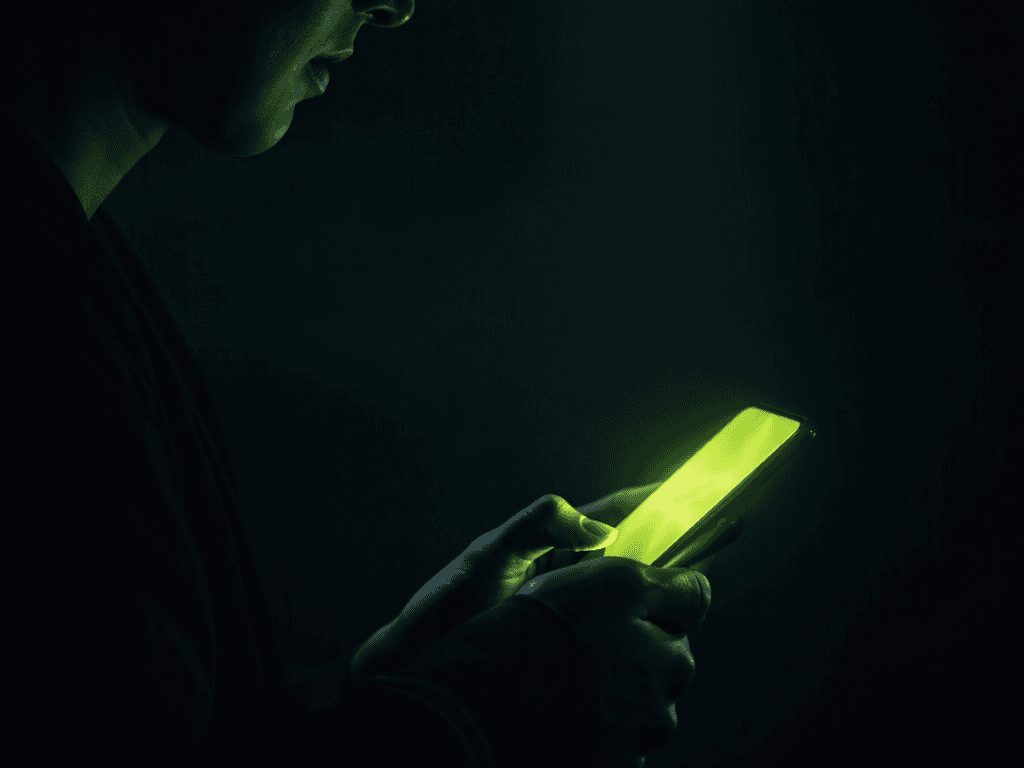
Your apps have always measured you — that is the founding trade of the free internet. What is newer is what they do with the measurement when it changes shape. After enough late nights, skipped workouts, and unanswered messages, the services you live in begin to behave differently around you. The feeds get gentler or more gripping. The notifications change register. Somewhere in a recommendation engine, your burnout stopped being your private business and became a segment.
We spent two months interviewing engagement engineers, wellness researchers, and the users who noticed the shift first. The picture that emerged is not a conspiracy — nobody at a whiteboard decided to monetize your exhaustion — but it is also not comfort. It is what happens when an optimization target meets a vulnerable population at planetary scale.
The Signals They Read
Burnout has fingerprints in behavioral data, and they are not subtle. Session times fragment and lengthen. Scrolling gets faster and clicks get shallower — consumption without commitment, the signature of a tired nervous system. Typing cadence slows at night. Checkout carts get abandoned mid-flow. Engagements that predict mood, like music tempo and video genre, drift in consistent directions. Individually, each signal is noise. Aggregated across a billion users, burnout is one of the most legible states the industry measures — and every major platform measures it, because burned-out users behave differently in ways that move the only metric that matters: whether tonight's session runs long.
What the Algorithms Do About It
Here the story splits, and the split is the point. Some systems respond to the exhaustion signal with care, surfaced or cynical depending on your charity. Watch patterns that scream insomnia get quiet content; the platform's own materials describe these as wellness interventions, and some genuinely are. Other systems respond with appetite. A fragmented, numbed, low-commitment session is precisely the environment where autoplay thrives — so the same signal that earns one user a meditation playlist earns another a five-hour reel spiral, tuned by the same equation to one variable: what keeps the tired person on the couch.
The engineers we spoke with were candid about not knowing which response any individual gets. The models do not distinguish between numbing you out of your burnout and soothing you through it, because from the retention metric's vantage, both look identical. That sentence is the article. The system cannot tell care from capture, so it cannot choose — it can only optimize, and hand you the bill in a currency the dashboard does not log.
Taking the Signal Back
The uncomfortable implication is that your apps now know your burnout before your calendar does, and they will never tell you — the notification would be a retention catastrophe. So the tell has to be yours. When the feed turns strangely frictionless, when the content arrives pre-numbed and the hours stop leaving traces, that is not the algorithm relaxing. It is the algorithm adapting, and the adaptation is not in your interest. Close the app. The most radical act available to a burned-out user in 2026 is not a detox retreat. It is making the one measurement the industry cannot monetize: the decision to stop.
Written by
Sofia Lindqvist
Culture Editor
Sofia writes about how technology changes behavior, taste, and work — and about how those things change technology right back.