The Dumb Phone Renaissance, One Year Later
A year ago minimalist phones were a curiosity. Now there's a supply chain, price inflation on decade-old feature phones, and a surprising truth about who actually sticks with one.
By Amara Chen8 min read
On this page
A year ago we called it a curiosity: boutique minimalist phones, deliberately incapable, selling to a niche of reformed scrollers and digital detox tourists. Twelve months later the niche has a supply chain. New models ship quarterly, established brands are testing stripped-down variants, and the secondhand market for decade-old feature phones has developed actual price inflation. We revisited the movement after a year of tracking it — and the story turned out to be less about the phones than about what their owners figured out next.
The first finding is that almost nobody fully converts. Of the two dozen dumb-phone owners we interviewed at purchase, exactly three still carry nothing smarter than a feature phone a year on. The rest settled into a pattern that has no marketing name but probably deserves one: the two-device life, with the minimalist phone as the default and a smartphone that lives in a drawer, a bag, or a drawer-with-a-timer.
What the First Month Teaches
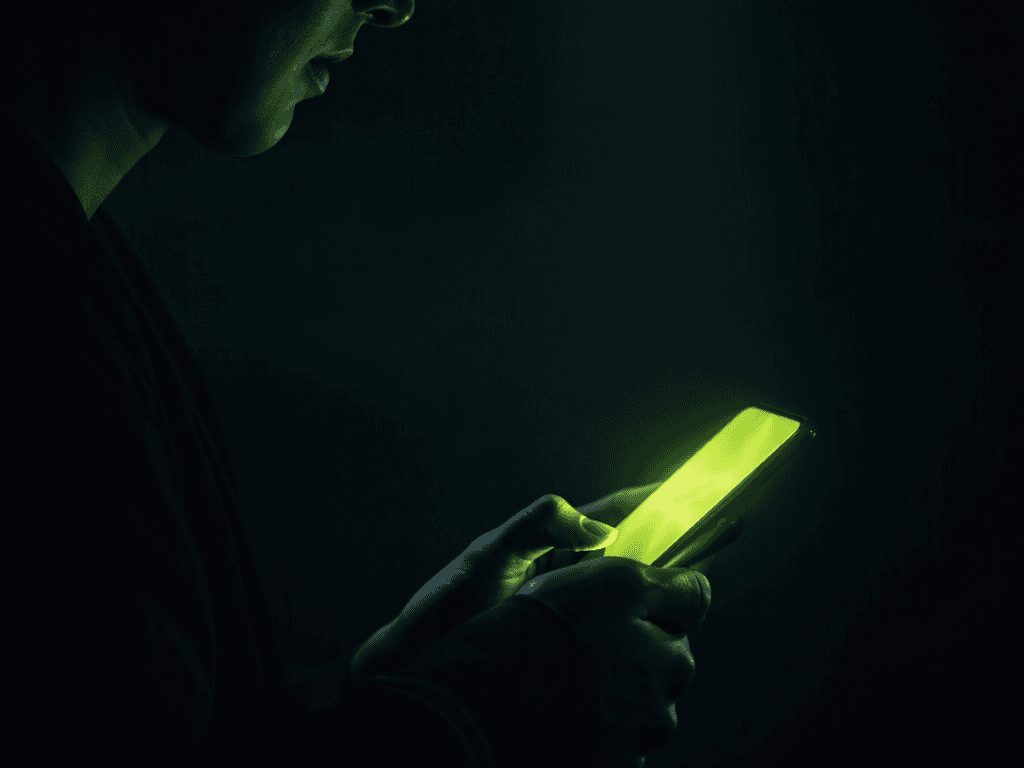
Every owner we interviewed described the same arc. Week one is a mild panic, punctuated by reflexive pocket-checks for a screen that is no longer there. Week two is the discovery of dead minutes — elevator rides, queues, the space between meetings — and the slow realization of how thoroughly those minutes had been colonized. By week four, a phrase recurred in nearly every interview: my attention feels like mine again. The phrase is doing a lot of work, but the consistency of it across ages and professions is hard to dismiss as placebo.
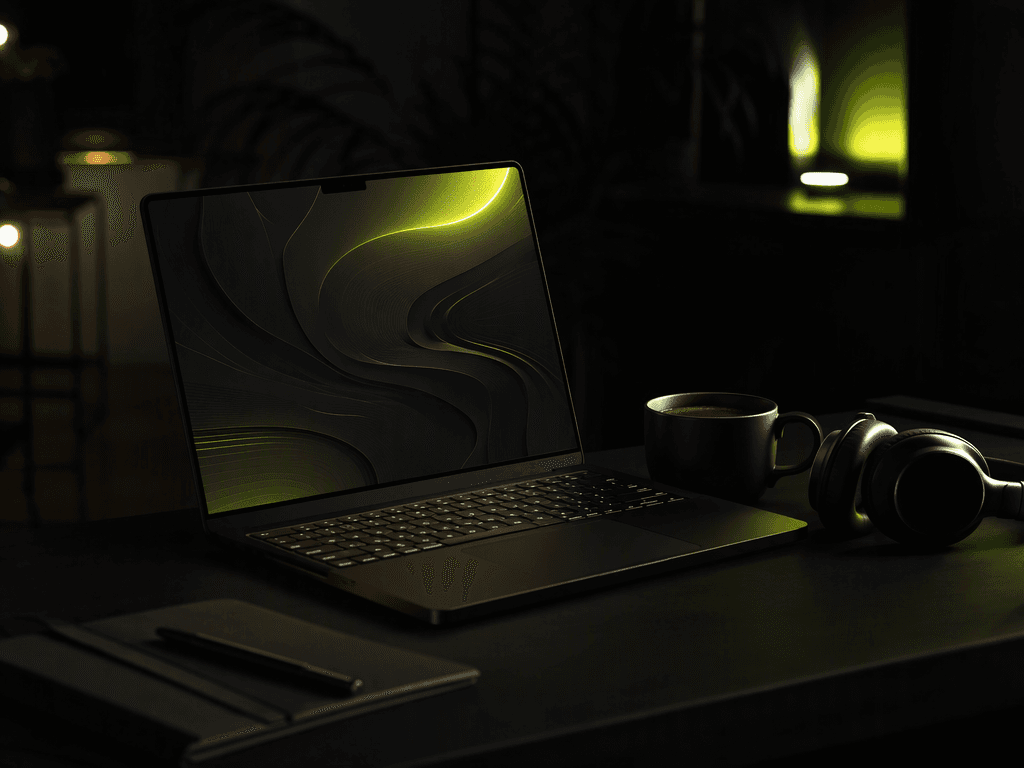
The second discovery is practical friction. Maps, two-factor codes, boarding passes, and the family group chat are not vices — they are infrastructure. Owners who thrived had all solved the same problem in advance: a laptop or tablet at home handling the administrative layer of their lives, on their terms, at a desk, sitting down. The dumb phone works as a filter only when the smartphone still exists as a tool. Owners who treated the experiment as pure renunciation mostly lasted a month.
The Renaissance Part
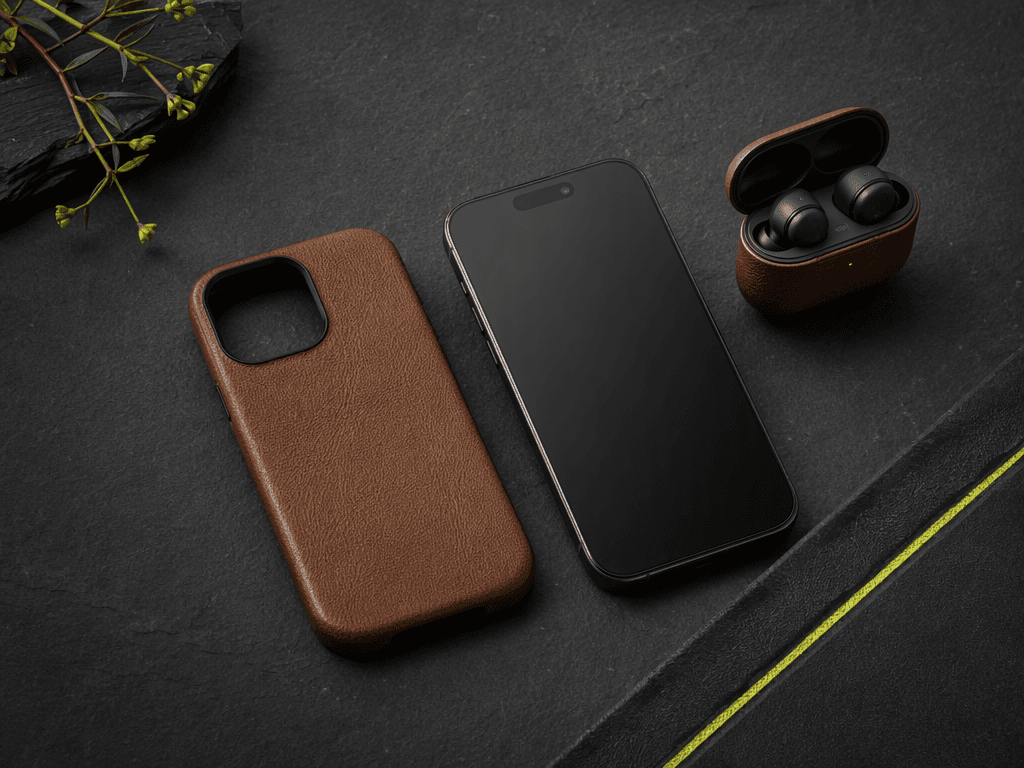
Here is what makes this a renaissance rather than a fad. The industry, belatedly and partially, followed the demand. Focus modes got real. E-ink minimalist phones got maps and podcasts. And the cultural framing completed its journey from confession to credential — carrying a phone that does less now reads, in many circles, the way carrying a mechanical watch read in 2015: not a rejection of technology, but a claim on taste. The feature phone is the only gadget whose whole function is a boundary, and boundaries, it turns out, became luxury goods.
A year in, our advice to the curious is simpler than the movement's rhetoric. Do not buy a dumb phone to hate technology. Buy one to renegotiate a single question — who decides when the screen comes out — and let the first month teach you what the smartphone was actually for. The owners who framed it that way are, almost to a person, still carrying the little phone. The ones who framed it as a war mostly surrendered, though nearly all of them kept the charger out of the bedroom. Even the surrendered call that a victory.
Written by
Amara Chen
Senior Editor, Devices
Amara has reviewed phones, laptops, and the accessories that surround them for more than a decade. She leads device coverage at Cobravolt and still believes a tool should look as serious as the work it is for.